

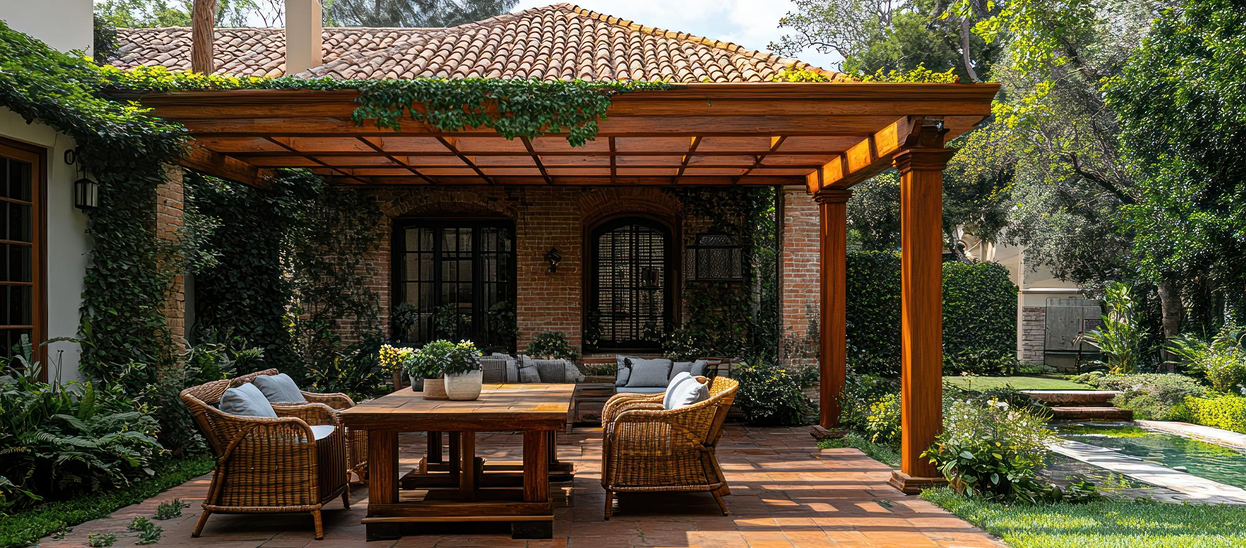
A beautiful garden can become much more than a separate outdoor area when it is thoughtfully connected to your home. Creating a seamless transition between indoor and outdoor spaces can make your property feel larger, more open, and inviting. With the right layout, materials, furniture, and greenery, you can create a natural flow from your living areas into the garden.
The goal is to make both spaces feel like parts of the same environment. Consistent colors, matching materials, large openings, comfortable outdoor furniture, and carefully planned landscaping can help create this connection. Whether you have a spacious backyard or a compact garden, thoughtful design can make outdoor living feel like a natural extension of your home.
“A seamless indoor-outdoor connection creates more room to relax, entertain, and enjoy nature.”
1. Extend Your Living Space
Create an outdoor area directly outside your main living space. A patio, deck, or covered seating area can act as a transition zone and make moving between the home and garden feel natural.
2. Use Consistent Materials
Using similar flooring, colors, or finishes indoors and outdoors can visually connect both spaces. Matching or complementary materials create a cohesive design rather than making the garden feel separate.
3. Install Large Glass Doors
Large sliding or folding glass doors can provide wide views of the garden while allowing plenty of natural light inside. When opened, they can create an easy connection between indoor and outdoor areas.
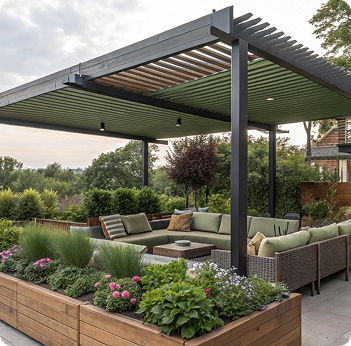
4. Add a Pergola
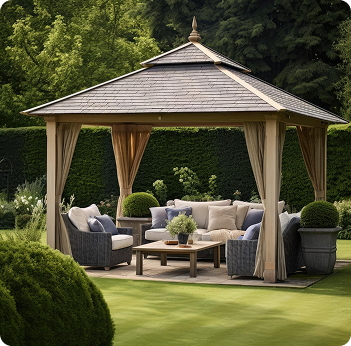
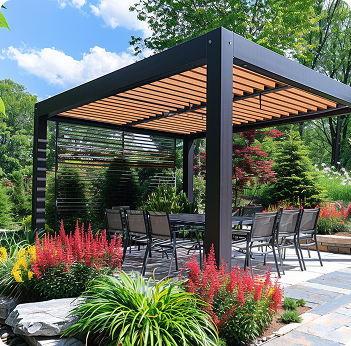
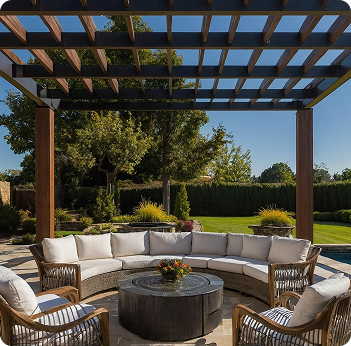
A pergola can create a defined outdoor living zone while maintaining an open connection with the garden. Add comfortable seating, lighting, or climbing plants to make the space inviting.
5. Coordinate Furniture and Decor
Choose outdoor furniture and accessories that complement your indoor style. Similar colors, textures, and design elements can make the transition between both areas feel more intentional.
6. Incorporate Greenery
Plants can soften architectural boundaries and connect your home naturally with the surrounding landscape. Use planters, garden beds, climbing plants, and trees to create visual continuity.
7. Plan Outdoor Lighting
Well-placed lighting can connect your home and garden after sunset. Use pathway lights, wall fixtures, and subtle garden lighting to highlight key areas and create a warm evening atmosphere.

“Beautiful ideas for connecting the garden with the home. I especially like the suggestion of using consistent materials throughout both spaces.”
“Very helpful article! Large glass doors and greenery can make such a big difference to the overall feel of an outdoor space.”
“Great tips for outdoor design. Adding a pergola is definitely something I’m considering for creating a comfortable transition into my garden.”